
What does PMS mean?
PMS meaning: PMS (Premenstrual Syndrome) refers to a group of physical and emotional symptoms such as fatigue, mood swings, mild cramps, sore breasts, bloating, change in appetite, irritability, depression that occurs a week before your menstruation.
When does PMS start?
How many days before period PMS occurs?
PMS usually begin 1 to 2 weeks (luteal phase of the menstrual cycle) before your period.
However, most women notice them only a few days before their period, as this is when the symptoms peak.
What causes PMS?
“It’s not you. It’s your hormones.”
PMS occurs due to hormonal fluctuations in the body, especially changes in estrogen and progesterone levels during the menstrual cycle.
These hormonal shifts can also influence brain chemicals like serotonin, which play a key role in regulating mood and emotions.
Appointments : Monday - Saturday
🕘 Choose your convenient time slot between: 8.30 AM - 6 PM
📍 Visit us: No. 14, Jagadeeswaran St, T. Nagar, Chennai, Tamil Nadu 600017
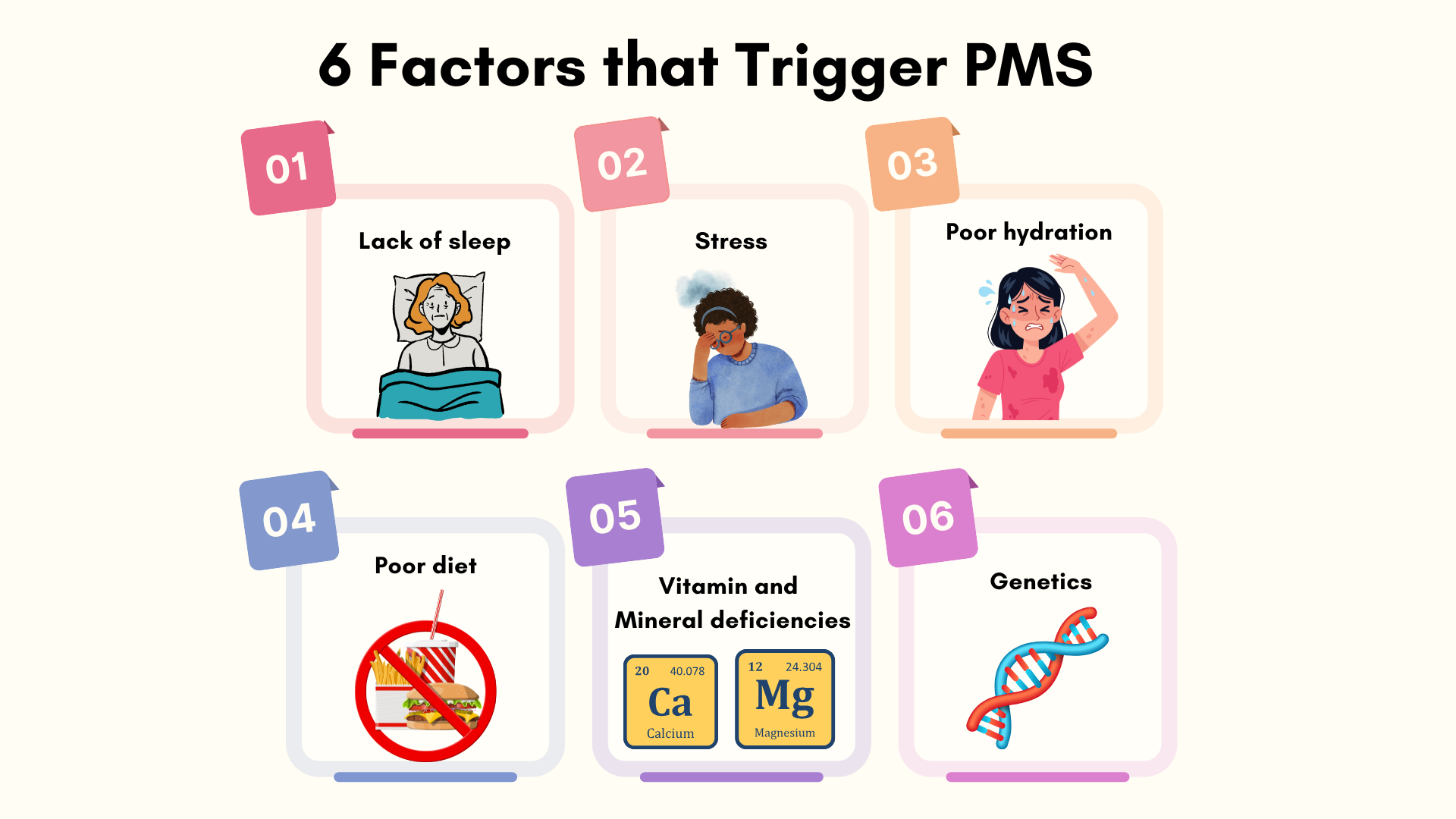
Apart from hormonal changes, other factors that can trigger PMS are:
What is PMDD?

Premenstrual dysphoric disorder (PMDD) is a type of PMS but the severity is higher.
A small percentage of women are affected by PMDD where they need medical help to relieve the symptoms.
PMDD is also a mix of both physical and menstrual issues like Premenstrual Syndrome.
Symptoms of PMS
The PMS symptoms also known as pre-period symptoms include:
Physical symptoms of Premenstrual Syndrome (PMS)

- Bloating
- Breast tenderness
- Fatigue
- Muscle/ joint pain
- Lower back pain
- Headaches or migraines
- Change in appetite or food cravings
- Weight gain
Emotional Symptoms of Premenstrual Syndrome (PMS)
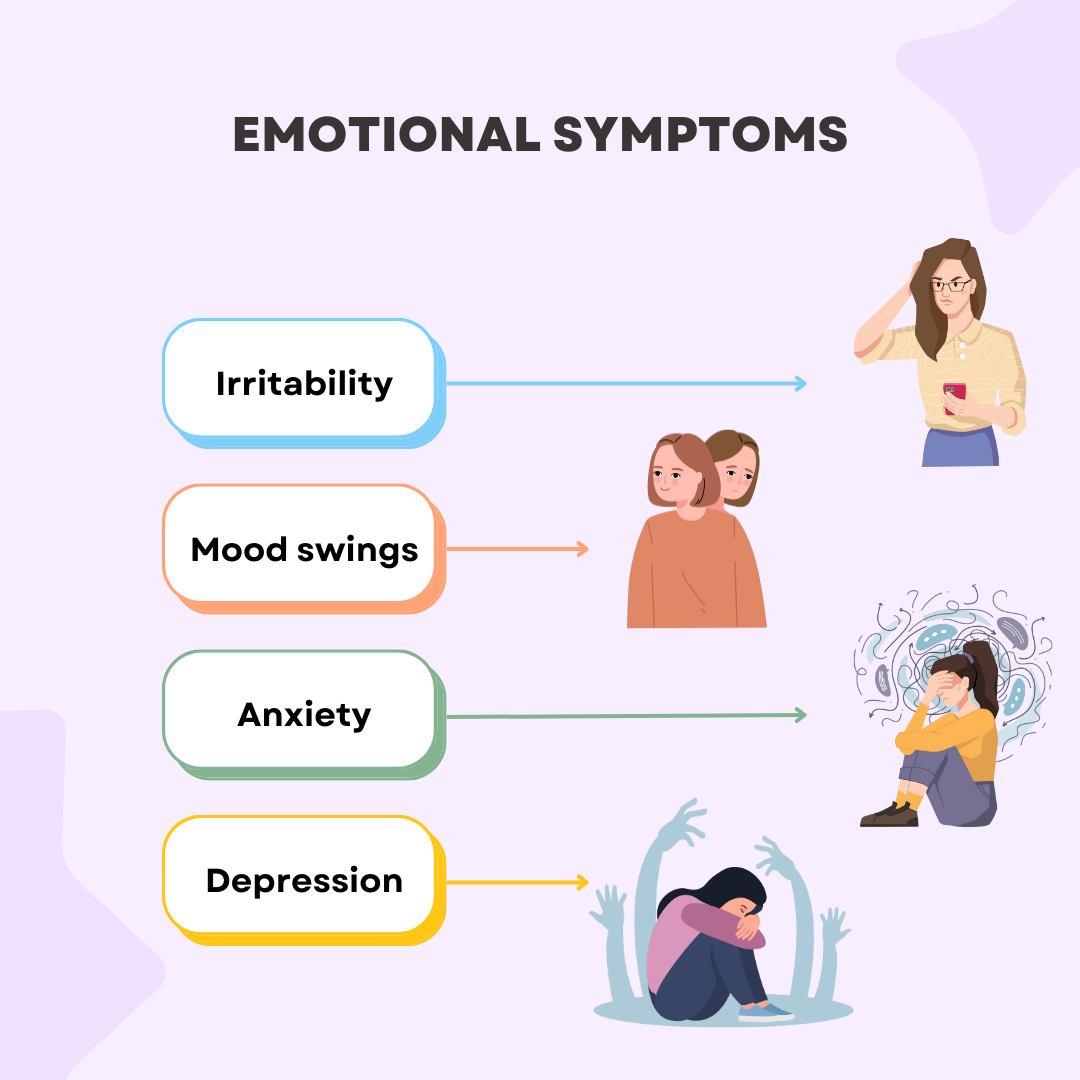
Emotional symptoms of PMS include:
- Irritability
- Mood swings
- Anxiety
- Depression
How to Manage or Relieve PMS Symptoms?
Although you cannot completely eliminate PMS symptoms, you can make them more manageable. Here are a few practical tips that actually work:

- Eat a balanced diet
- Avoid junk, salty, and sugary foods
- Engage in mild workouts such as yoga
- Drink a minimum of 2–3 litres of water
- Get enough sleep
- Manage stress
If you are looking for pain relief tablets for PMS, consult your gynecologist and take only the medicines prescribed by them.
Note: Avoid buying over-the-counter medicines without consulting your doctor.
PMS vs. PMDD — What’s the Difference?
While PMS is a common occurrence that most women go through, PMDD is a more intense form called Premenstrual Dysphoric Disorder (PMDD) that occurs 1–2 weeks before the period.
Women with PMDD often have severe PMS symptoms that can significantly impact their day-to-day life. PMDD also tends to last longer than PMS.
Although the exact cause of PMDD is not yet known, it is crucial to consult your doctor immediately if you experience severe PMS symptoms so they can help manage them effectively.
| Concern | PMS | PMDD |
|---|---|---|
| Emotional changes | Mild to moderate mood changes that are usually manageable. | Severe mood changes such as intense irritability, anxiety, or depression. |
| Physical discomfort | Mild discomfort or cramps that respond to basic home remedies. | Severe pain or physical symptoms that do not improve with routine care. |
| Duration | A few days before menstruation. | 1 week to 10 days before menstruation with more intense symptoms. |
| Daily life interference | Generally manageable with minimal disruption. | Often interferes with work, relationships, or day-to-day functioning. |
| Treatment | Home remedies, lifestyle changes, hydration, and rest. | Medications and counselling from a gynecologist or mental health expert. |
Conclusion
PMS is a natural part of most women’s menstrual cycle. While it’s normal to experience abdominal cramps and mood swings, it’s equally important to know when to consult a doctor.
In some cases, severe menstrual symptoms may be linked to underlying health conditions such as PMDD (Premenstrual Dysphoric Disorder) or Endometriosis.
If you experience severe PMS symptoms that disrupt your daily life, do not hesitate to consult your gynecologist.
At Jammi Scans, Dr. Deepthi Jammi personally counsels each patient, helping them understand the root cause of their symptoms and guiding them with safe, effective, and personalized treatment options to manage PMS better.

Reviewed by Dr. Deepthi Jammi - Fetal Medicine Specialist
Dr. Deepthi Jammi (Director, Jammi Scans) is a qualified OB/GYN and Post-Doc in Maternal Fetal Medicine. As a pregnancy ultrasound expert, she is passionate about healthy pregnancies and works towards spreading awareness on the latest diagnostic options available for parents to choose from. Dr.Deepthi has received gold medals and awards in Fetal Medicine at international and national conferences, and has appeared in numerous prestigious regional magazines and TV interviews.